Syria under the weight of Israel’s occupation
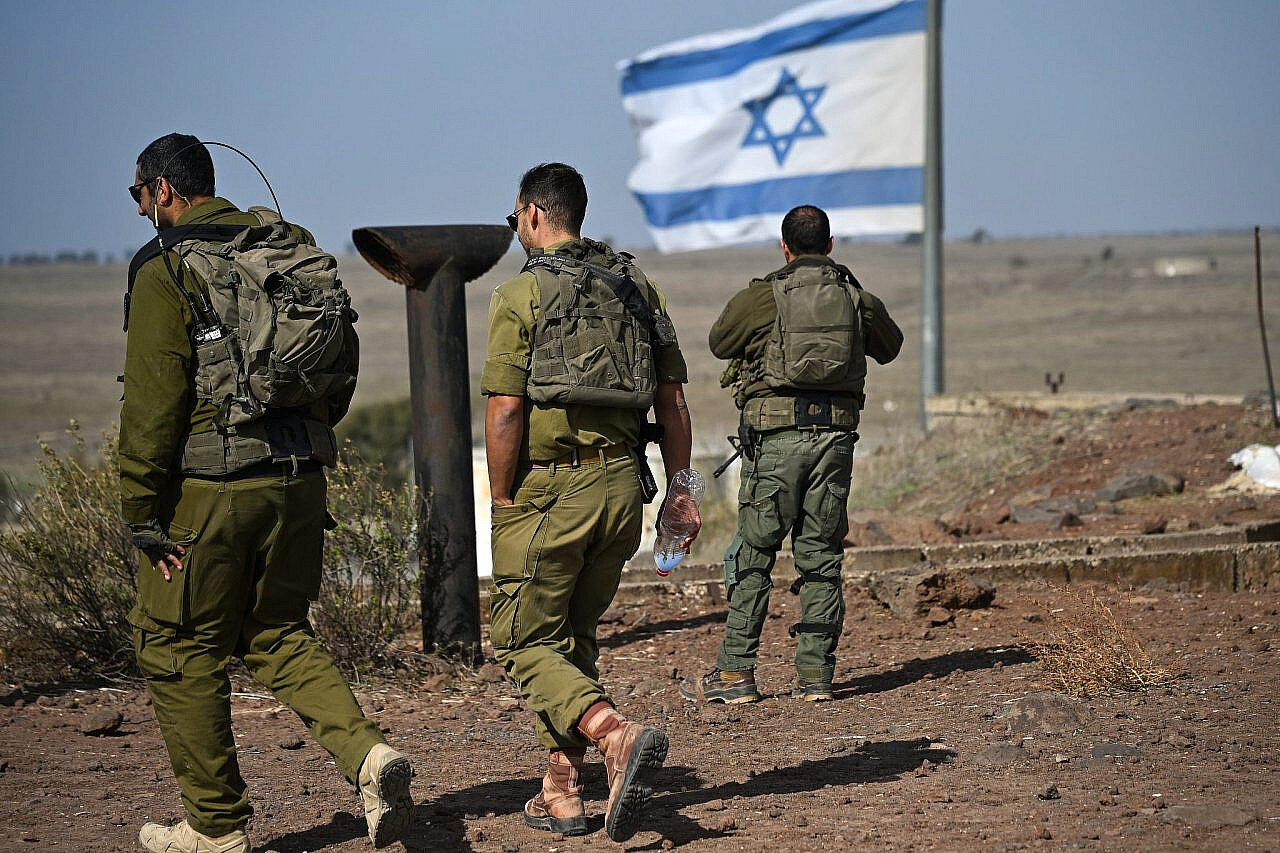
TEHRAN – Israel continues its military strikes in southern Syria nearly a year after the fall of former president Bashar al-Assad and the rise of Western-backed interim leader Ahmed al-Sharaa, also known by his nom de guerre Abu Mohammad al-Jolani.
According to Syria’s state news agency SANA, Israeli forces shelled the Tal al-Ahmar al-Sharqi area in southern Quneitra on Friday using artillery shells and machine-gun fire. Earlier in the week, Israeli troops also fired at civilians near three villages in the region. These attacks reflect a pattern of ongoing Israeli violations, according to Damascus.
The strikes come amid evidence that Israel has expanded its influence in southern Syria beyond military operations. A Washington Post investigation revealed that shortly after Assad’s ouster in December 2024, Israeli helicopters conducted nighttime airdrops of weapons, ammunition, and body armor to a Druze militia known as the Military Council. These shipments were intended to counter the rise of al-Sharaa, whom Israeli officials reportedly view with deep suspicion due to his past leadership of an al-Qaeda-linked group.
While lethal weapons transfers were later reduced, Israel has continued to supply nonlethal military equipment, medical aid, and monthly stipends to thousands of Druze fighters, effectively creating a parallel security structure that undermines Damascus’ efforts to consolidate authority, according to the Washington Post report. Israeli officials describe these measures as protective of minority groups and defensive, yet analysts argue that they reflect a broader ambition to fragment Syria and maintain strategic control over its border regions.
Al-Sharaa has sought to project moderation and national unity after Assad’s fall. However, he remains constrained by unresolved ties to extremist factions and his limited ability to impose central authority across the country. These weaknesses have allowed Israel to exploit divisions and continue its interventions with minimal resistance, further destabilizing Syria.
Israel’s combination of airstrikes, territorial occupation, and support for separatist militias has transformed the post-Assad landscape into a zone heavily influenced by external actors. Analysts describe these moves as part of a long-standing “Greater Israel” strategy, aimed at weakening neighboring states, fragmenting political authority, and securing long-term strategic depth.
One year after Assad’s removal, Syria’s sovereignty remains compromised, and its post-war recovery is stalled. The ongoing Israeli presence and support for armed groups illustrate that foreign intervention, rather than domestic leadership, increasingly shapes Syria’s political and military environment. In this context, Israel’s actions stand as the most disruptive factor to the country’s stability and territorial integrity, threatening to entrench fragmentation for years to come.
Leave a Comment